Pages

Monday, July 1, 2019

Room 7 Dinosaur Knowledge

Room 7
Dinosaur knowledge
Prior Knowledge
In 2 weeks, we learnt that...
  • Animal
  • Predator
  • Dino is the root word
  • ‘Saurs’ means something
  • Species 
  • Extinct 
  • Huge
  • Large bones
  • Long necks
  • Eggs 
  • Sharp teeth
  • Long tails
  • Eat people
  • Different kinds
  • Spikes
  • Horns
  • Mammals
  • 4 legs
  • Bipedal means 2 feet and quadruped means 4 feet. Some dinosaurs are bipedal and some are quadrupeds. Some can change between the two stances. They are sturdy.
  • Theropod is a 3 clawed dinosaurs
  • Dinosaurs are warm-blooded, which means their blood temperature is always the same
  • Carnivore means a meat eater
  • Herbivore means a plant eater
  • Omnivore means it can eat plants and meat
  • Some dinosaurs are huge and some are small. Typically, huge dinosaurs were sluggish (slow). 
  • Dinosaurs died out 66 million years ago. They started existed 230 million years. 
  • They died because of an extinction event, most people think this was because a meteor hit the Earth. 
  • Dinosaurs legs go out the bottom of their hip bones, whereas reptiles bones go to the side of their hips. Reptiles do not have an extra hole in their skull, but dinosaurs do. 
  • Mary Anning found lots of fossils on a cliffside in England in the 19th century. She was born in 1799 and died in 1847. She survived a lightning strike as a baby. In 1824 she found the first fossil.
  • Non-avian dinosaurs are dinosaurs that are not birds. Avian means birds.
  • Metabolism means how fast or slow your body converts food into energy
  • Diverse means a big range
  • Modifications means changes. Dinosaurs have modifications such as spikes, armour, horns or crests. 
  • Clade means family.
  • Lineage means ancestors/descendants 
  • Paleontologists are scientists that study ancient things including dinosaurs
  • There are 4 main groups of dinosaurs; theropods, sauropods, ankylosaurus and pterosaurs.
  • Titanoboa was top of the food chain after the dinosaurs died. It killed people by constricting people. It spent most of its time in the water because it was super heavy. It was 13m long, as big as a bus. 
  • Hominins existed when 7-6 million years ago, the first humans to walk on 2 feet. 
  • People did not exist when dinosaurs existed.

  • Adaptation is something that changes over time. 
  • Ecology - how animals relate to each other
  • Fossils are made when dinosaurs die and their bones get trapped in rock or mud. The bones break down over time but leave a mould, which is filled with rock. This becomes the fossil. 
  • Dinosaurs sometimes eat each other. 
  • There were 3 periods of time that have dinosaurs. This is called the ‘age of dinosaurs’ also known as the ‘Mesozoic Era’; Triassic period, Jurassic period, and Cretasous period. 
  • Then there were 3 more periods in time, “Age of mammals”, also known as ‘Cenozoic Era’; Paleogene Period, Neogene period and  Quaternary period.
  • Dinosaur fossils have been found on every continent, including Antarctica.
  • Joan Wiffen found the first dinosaur fossil (a theropods tailbone) in NZ in 1975, in Hawkes Bay. She died in 2009. 
  • Dinosaurs laid eggs and they lived in family groups. 

  • Thursday, June 27, 2019

    Matariki Description


    Matariki is the Maori new year. There are seven stars and there names are Waipunarangi; Ururangi; Tupu-a-rangi; Waita; Waiti; Tupu-a-nuku and Matariki is in the middle. Matariki is the Maori name of cluster of stars it rises in midwater. It announces the start of a new year. Matariki means the 'eyes of god'

    (matar-ariki) or 'little eyes' (mata-riki

    Wednesday, June 26, 2019

    Oceans of the World

    Matariki Art

    Hello and Welcome this is what my class Room 7 did as a Matariki art. We made 7 stars that are really white as you can see and then we tapped our paint brush so there could be a lot of stars around it. Everyone in our class did one and we had different types of mountains and different types of colors. Some of us copied our teachers one and some of us did rainbow colors.

    My Groups Reading Task

    Friday, May 17, 2019

    Museum Trip


    We went to the Museum to learn about what happened in the past. And to learn about the history of world war 1 and 2. The first room we went to was the volcano room. When me and my group walked in we saw a bright shiny orange lava on the volcano. When I went in I saw another two rocks that you could use something to drum it with. Everybody knew that there was a volcano room that will shake so everyone ran inside the room well me and my group waited outside because we wanted to go together as a group. Everyone came out and we went in wait for about 5 minutes and it started. The video finished Me Lily,Ana,Wesley and Michael said that it was boring because it didn’t even shake.

    Here is a photo of me and my friends in the volcano room.


    Here was our class room when we first got to the museum we took a photo so we can write about it. When we come to school. Some of us pulled up fingers and some of us didn’t these 3 mens helped us and lead us where to go. When we got inside everybody said “ woowowow” then we got into our groups and went around.


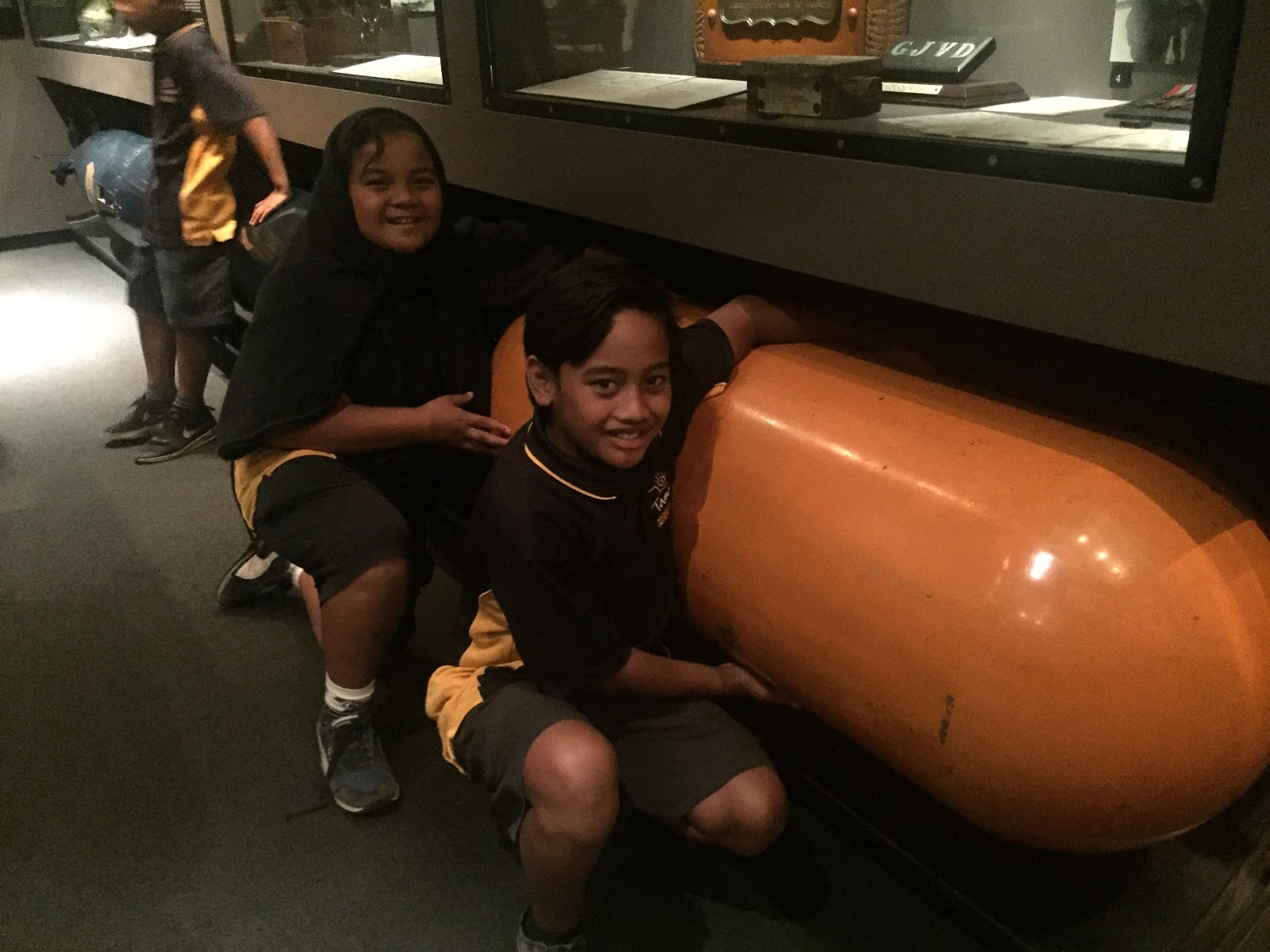
    Here is Michael and Dyzon next to a Humongous Torpedo. A torpedo is a large sort of bullet or bomb that can explode if you shot it at a boat it will sink. Another thing about torpedo is that torpedos goes 230 mph but in New Zealand it is 370 kph. Torpedos can either stay underneath a boat or on the top of a boat.


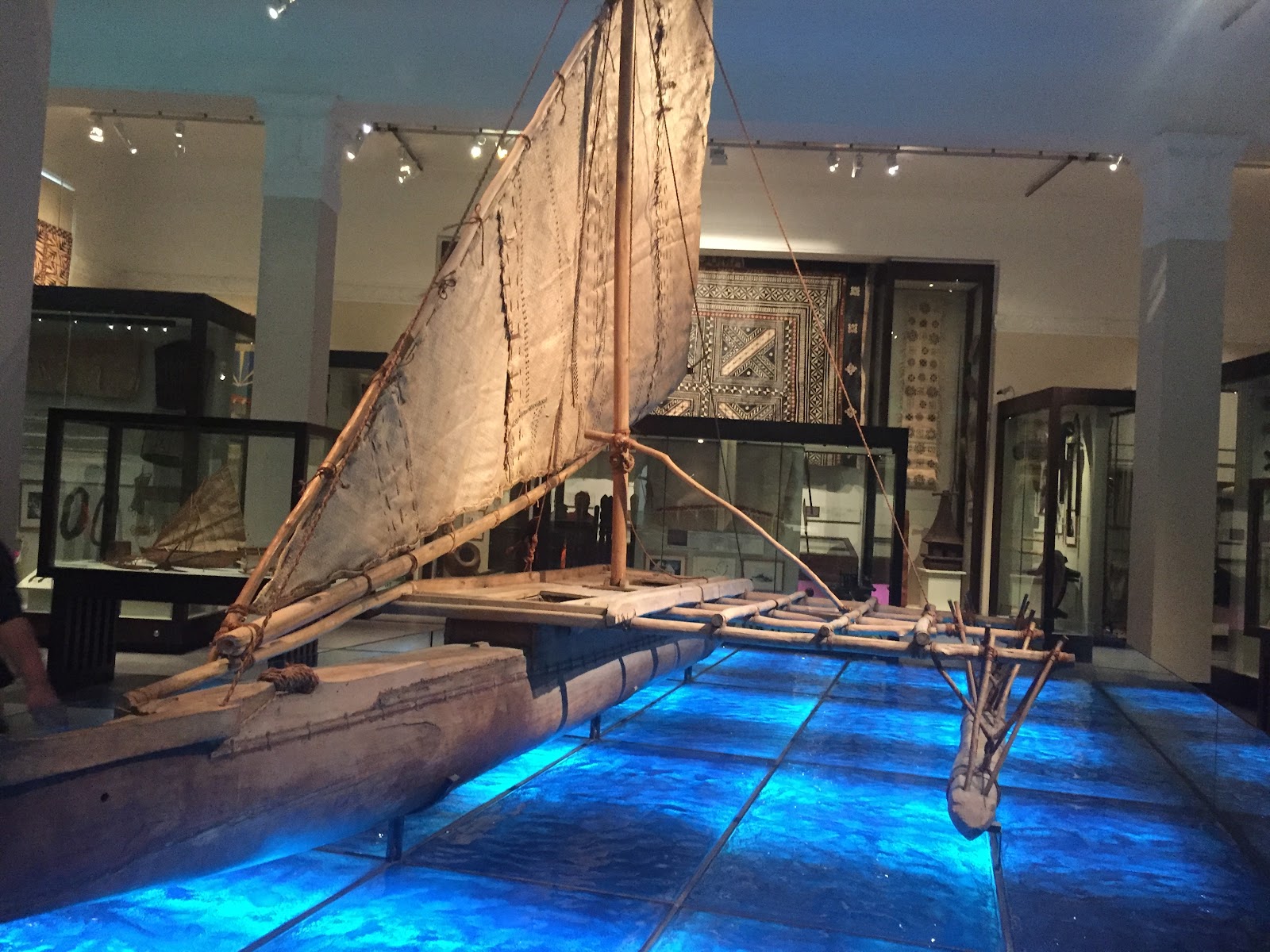
    This boat is called a wakaama. At the background you can see glass. If you walk pass the glass it will say Tonga and Samoa and different types of countries.It will tell you about that country and what they do. This boat is on the Moana movie.


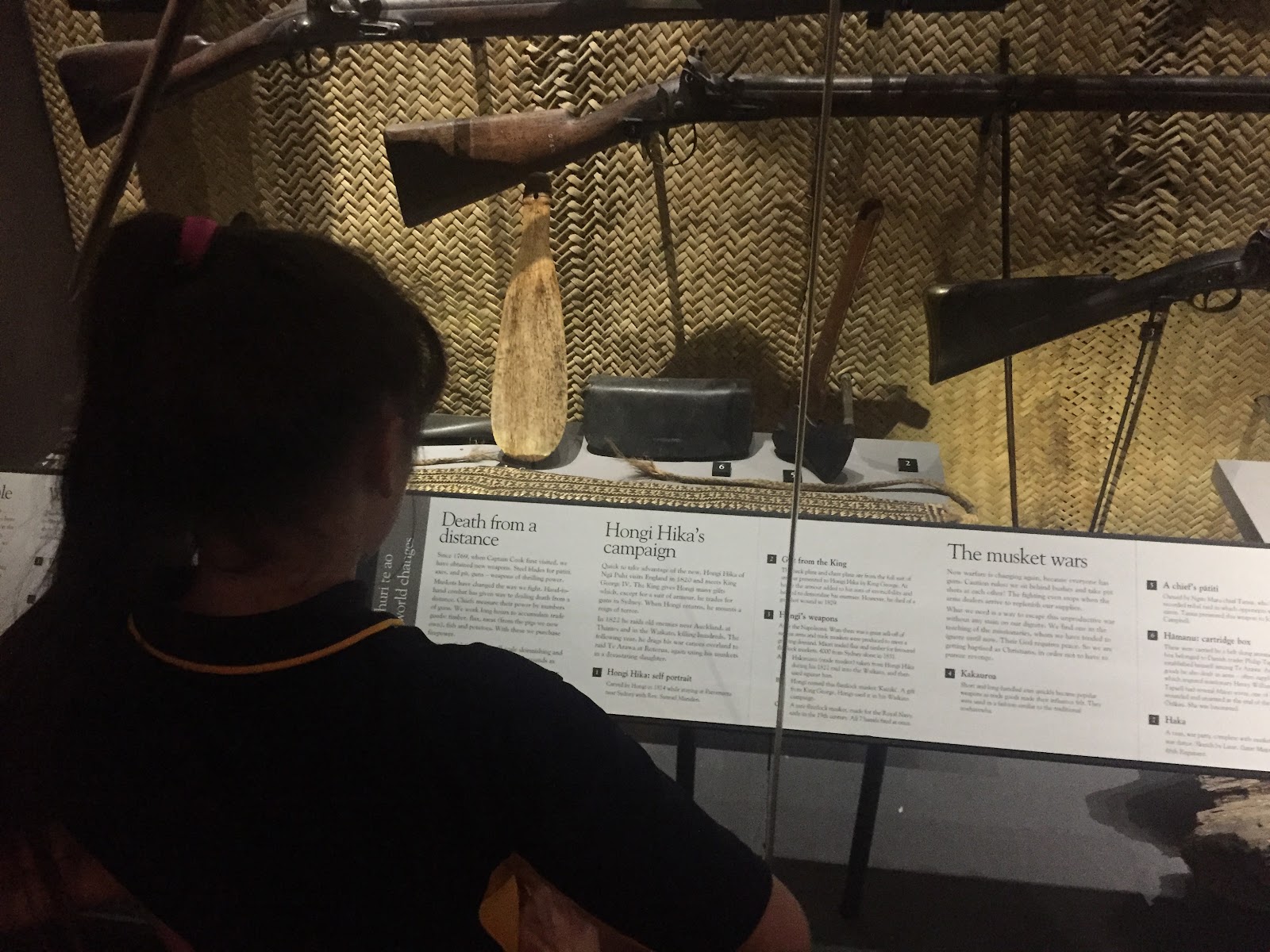
    Here are the weapons that the Europeans use back then in the past. This girl is called Rona and Rona is reading the information about the weapons and where it was from. These Weapons were old.